/01
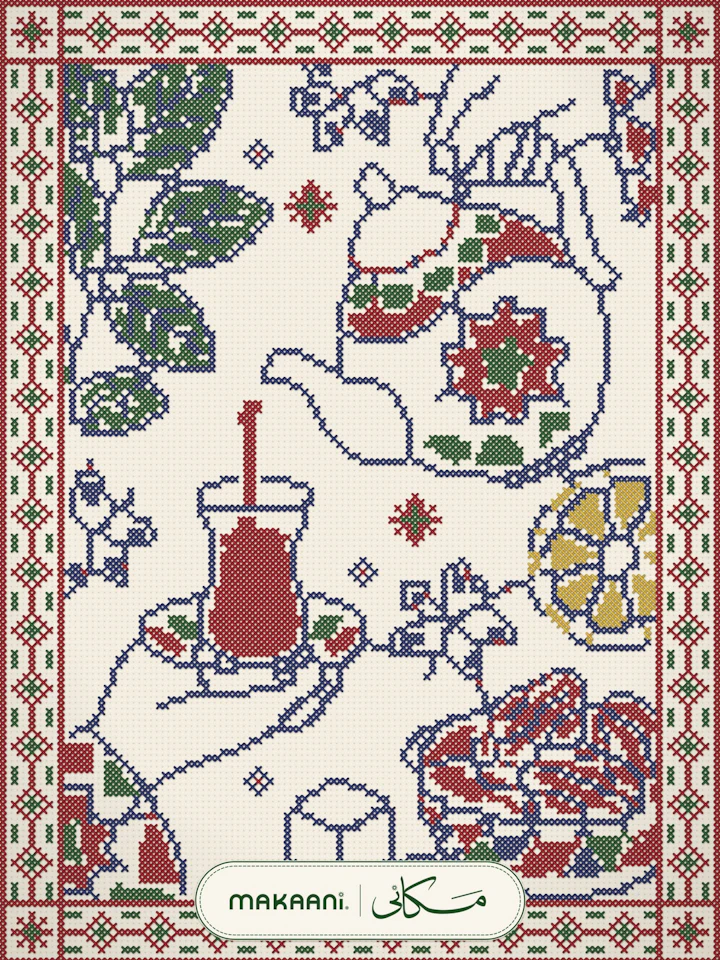
Makaani
2025Magazine and membership network connecting diasporas across the Arab world, Africa, Asia and Latin America.
Web Development, UI/UX Design, Product Design, Branding

Web apps, dashboards, portals and mobile apps, with the APIs, auth and data layers behind them, built to be operated for years.
Web apps, dashboards, portals and mobile apps, with the APIs, auth and data layers behind them, built to be operated for years.
We map the people, the workflows and the data before the build: who uses the product, what they do daily and what has to be true at launch. Scope, success metrics and a phased roadmap are agreed together.
Next.js & SvelteKit apps
Multi-tenant SaaS
Customer & partner portals
Booking & listing platforms
Marketplaces
Internal tools
React Native & Expo
iOS & Android
Progressive web apps
Push notifications
Offline-first sync
App Store & Play Store release
Node.js & TypeScript APIs
REST & GraphQL
Postgres, Supabase & MongoDB
Auth & role-based access
Background jobs & queues
File storage & search
Payment gateways (Paymob, Stripe)
ERP, CRM & WhatsApp APIs
Dashboards & reporting
CI/CD & environments
Monitoring & alerts
Maintenance retainers
SvelteKit
Next.js
React
TypeScript
Tailwind CSS
Design systems
React Native
Expo
PWA
Push notifications
Offline sync
Store release
Node.js
PostgreSQL
Supabase
MongoDB
Prisma & Drizzle
Redis & queues
Paymob & Stripe
WhatsApp Business API
ERP & CRM
Email & SMS
Maps & geolocation
Webhooks
Vercel & Cloudflare
Docker & VPS
CI/CD
Monitoring & alerts
Backups
Security reviews
Proven technology, chosen per product and documented end to end.
Magazine and membership network connecting diasporas across the Arab world, Africa, Asia and Latin America.
Web Development, UI/UX Design, Product Design, Branding

Bilingual property platform for a Saudi developer, with an interactive map and interest forms.
Web Development, UI/UX Design, Branding, Digital Design
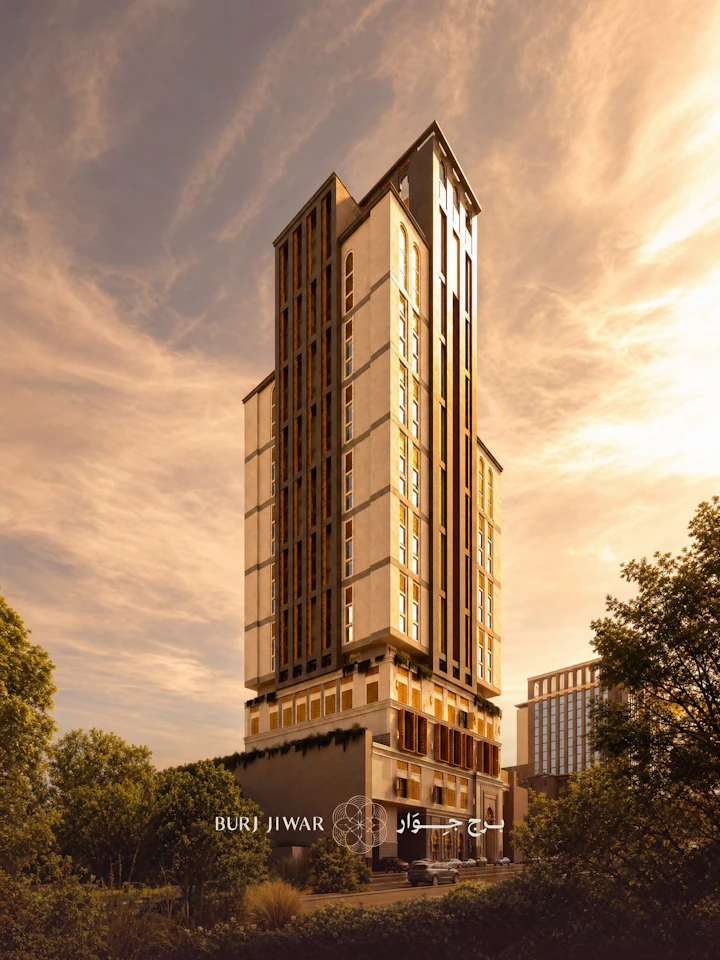
Arabic-first site for a 23-storey residential tower in Mecca, sold off-plan.
Web Development, UI/UX Design, Branding, Creative Direction

Website and poster campaign for a Saudi design-and-build contractor in EPC, infrastructure and MEP.
Web Development, UI/UX Design, Branding, Creative Direction
App build
Backend and APIs
Payments and engagement
Launch and care
React Native for iOS and Android
TypeScript codebase
Offline states and caching
Camera, location and media
Deep links
Application core
Data and dashboards
Integrations and billing
Infrastructure
Authentication and teams
Roles and permissions
Multi-tenant accounts
Audit logs
Arabic RTL and English
A website presents information; a platform runs a business process. Users log in, data is created and changed, roles and permissions matter, and other systems connect through APIs. That changes everything about how it is built: a real data model, authentication, background jobs, admin tools, monitoring and a plan for what happens at ten times the users. This is the work we mean by apps and platforms.
Both, chosen per project. React Native or Flutter covers most business apps with one codebase for iOS and Android, faster and cheaper to maintain. We go native in Swift or Kotlin when the app leans on hardware, heavy graphics or platform features that cross-platform handles poorly. We explain the trade-off in the proposal so the decision is yours, not a default.
Node.js with TypeScript, Next.js or SvelteKit on the front end, PostgreSQL as the primary database, Redis for queues and caching, and cloud infrastructure on AWS, Vercel or Hetzner depending on cost and compliance needs. Payments run through Paymob, Fawry or Stripe. It is a mainstream stack on purpose: easy to hire for, well documented and unlikely to trap you.
A focused MVP with a few core flows ships in 8 to 12 weeks. A full platform with roles, payments, dashboards and integrations runs 3 to 6 months, released in stages so parts go live early. We work in two-week sprints with a demo at the end of each one, and the first working version is usually in your hands by week four.
It is scoped by the number of user roles, core flows, integrations and the mobile and web surfaces you need. An MVP, a full multi-role platform and a platform plus native apps sit in very different ranges. We send a fixed quote per phase with milestones, and we are honest when an off-the-shelf tool would solve the problem for less.
That is the approach we recommend for most new products. We scope the smallest version that lets you test the idea with real users and, if needed, raise money, then build it on a foundation that will not need to be thrown away: proper data model, authentication and infrastructure from day one, with everything else added in later phases as the product proves itself.
Yes. ERPs, CRMs, accounting systems, payment gateways, shipping providers, WhatsApp Business, SMS gateways, Google and Microsoft accounts and almost anything with an API. When there is no API we build a secure import or bridge. Integration work is scoped explicitly in the proposal because it is where estimates usually go wrong.
You do. The repository, cloud accounts, app store accounts, domains and databases are created in your name from the start and you hold admin access throughout the project. On final payment you own all the source code with full rights. If you ever decide to move to another team, everything they need is already yours.
It is designed for it from the start: stateless services that scale horizontally, a database schema built for the queries you will actually run, queues for heavy work, caching where it counts and monitoring that tells us before users do. We load-test before launch and set up alerts, so growth becomes a hosting bill rather than a rewrite.
Authentication through proven providers rather than home-made schemes, encrypted data at rest and in transit, role-based permissions enforced on the server, audit logs for sensitive actions, regular dependency updates and backups tested by restoring them. We follow Egyptian data protection requirements and work to GDPR standards when you serve users abroad.
Yes. We set up your Apple Developer and Google Play accounts, prepare the listings, screenshots and privacy declarations, handle review feedback and manage releases afterwards. Apple review is the usual source of surprises, so we design around their guidelines from the beginning instead of discovering them at submission.
We do not disappear. Monthly support covers monitoring, security updates, backups, bug fixes and small improvements, and most platforms keep a sprint every month or two for new features. You get a clear response time for incidents and a single channel to reach the team that built the product.
Yes, and we do it often. We start with a technical audit of the code, infrastructure and security, stabilise the urgent problems, then propose a plan that either improves the existing codebase or rebuilds the parts that cannot be saved. You get an honest assessment before committing to either path.
Yes. Research, UX flows, interface design and the design system come from the same team that writes the code, so nothing is lost between a design file and the build. If you already have designs or an in-house designer, we work from their files and stay in review with them throughout.
Yes, and properly: right-to-left layouts, Arabic and Latin typography that match, localised numbers, dates and currencies, and content that lives in both languages side by side in the admin. Language and region are built into the data model at the start, because adding them to a finished product is one of the most expensive changes there is.